TheJakartaPost
Please Update your browser
Your browser is out of date, and may not be compatible with our website. A list of the most popular web browsers can be found below.
Just click on the icons to get to the download page.


Popular Reads
Top Results
No results found. Please check your search term and try again
Can't find what you're looking for?
View all search results
Popular Reads
Top Results
No results found. Please check your search term and try again
Can't find what you're looking for?
View all search resultsUS-Iran agreement: A deal built on mutual exhaustion
The document's operational core, per leaked accounts of its 14 points, is narrow.
Change text size
Gift Premium Articles
to Anyone
Share the best of The Jakarta Post with friends, family, or colleagues. As a subscriber, you can gift 3 to 5 articles each month that anyone can read—no subscription needed!
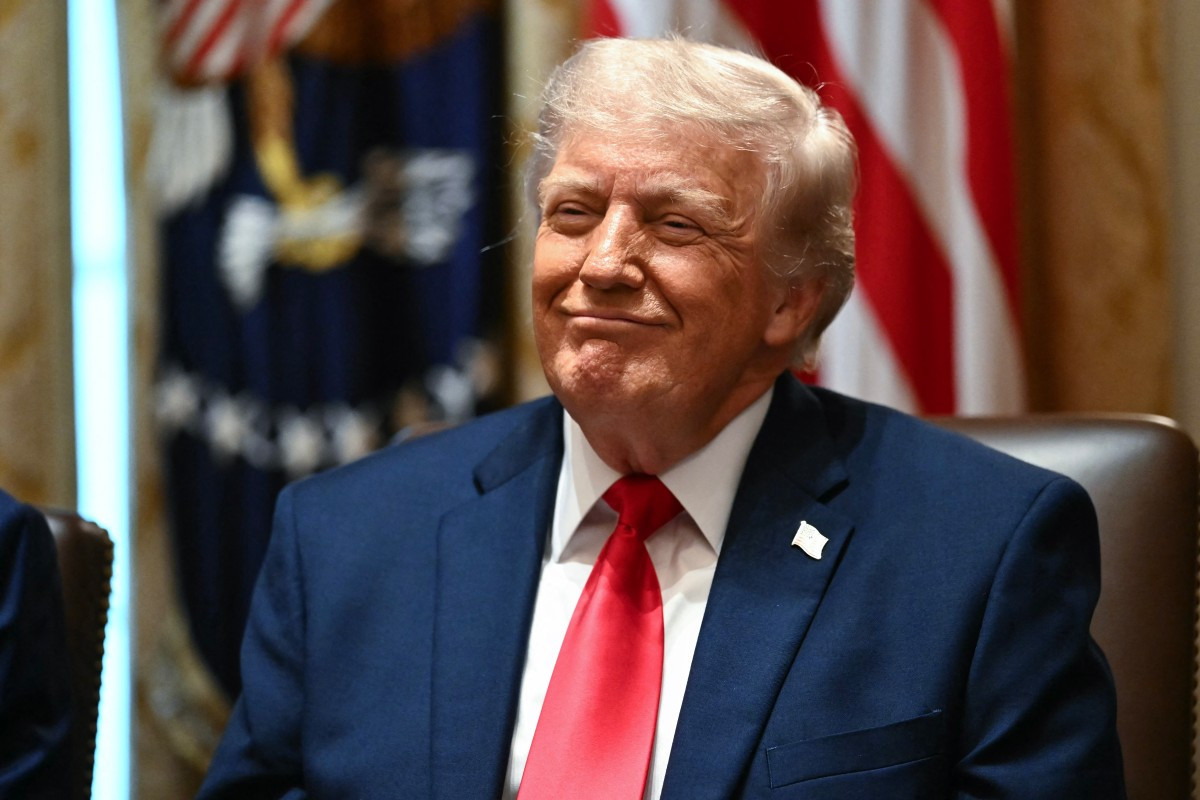 US President Donald Trump reacts during a cabinet meeting on May 27 in the Cabinet Room of the White House in Washington, DC. (AFP/Kent Nishimura)
W
hen word spread on June 14 that the United States and Iran had finalized a memorandum of understanding, financial markets reacted with relief. Oil prices fell. Shipping premiums dropped. The world exhaled.
That relief was premature, and the days since have made this harder to ignore. The memorandum has now been signed twice: digitally by US Vice President JD Vance and Iran's parliament speaker on June 14, and again, remotely, by US President Trump and Iranian President Masoud Pezeshkian on June 17, with Trump signing from a G7 reception in France. A further in-person ceremony in Geneva was scheduled for June 19, but nothing happened. Iran's elected president is Pezeshkian, but ultimate authority remains concentrated in the office of the Supreme Leader, whose formal endorsement remains politically significant.
This is not a peace agreement, nor a nuclear deal, nor even final by its own signatory's admission: Trump told reporters last week that if Iran fails to "behave," the US would resume strikes. What it is, despite these qualifications, is the first formal architecture for ending a conflict that rattled global energy markets more severely than any confrontation in decades.
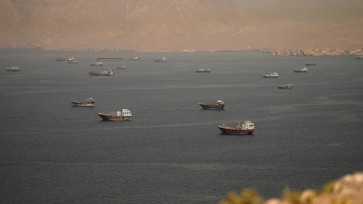
The document's operational core, per leaked accounts of its 14 points, is narrow. Iran will clear mines from the Strait of Hormuz and permit toll-free shipping for 60 days, alongside talks on the strait's longer-term administration. The US ends its naval blockade and commits to eventually withdrawing forces from near Iran. A ceasefire covers every front, including Lebanon. On sanctions, the leaked summary states the US will lift sanctions, release frozen assets and help build a reconstruction fund reportedly worth US$300 billion or more.
That last point is where the contradictions begin. Vance has said the fund would draw on Gulf financing, not the US Treasury, and would flow only as Iran's compliance is verified — not as an unconditional payout. Iranian state media has claimed the draft includes $12 billion in frozen assets released upfront; American officials deny any such figure appears in their documents.
Then Trump himself complicated things further, telling reporters at the G7 that the deal does not provide immediate sanctions relief at all, promising to "clarify" the matter later.

The nuclear file shows the same pattern. Iran merely reaffirms it will not build weapons and will preserve its program's status quo, with the hard questions — stockpile size, enrichment limits, inspections — deferred to the negotiation ahead. Tehran has signaled it will not ship out its enriched uranium and distrusts the IAEA as an arbiter — a position that, if maintained, makes verification nearly impossible. Some Middle East analysts had already warned, before any deal was signed, that talks were more likely to produce either a loophole-ridden agreement favoring Iran or a collapse back into conflict.