TheJakartaPost
Please Update your browser
Your browser is out of date, and may not be compatible with our website. A list of the most popular web browsers can be found below.
Just click on the icons to get to the download page.


Popular Reads
Top Results
No results found. Please check your search term and try again
Can't find what you're looking for?
View all search results
Popular Reads
Top Results
No results found. Please check your search term and try again
Can't find what you're looking for?
View all search resultsWhen the dollar tests Indonesia’s energy security
Energy and foreign exchange are intrinsically linked, and Indonesia risks falling into a dangerous energy-dollar trap where currency volatility and import dependence directly threaten its long-term economic sovereignty.
Change text size
Gift Premium Articles
to Anyone
Share the best of The Jakarta Post with friends, family, or colleagues. As a subscriber, you can gift 3 to 5 articles each month that anyone can read—no subscription needed!
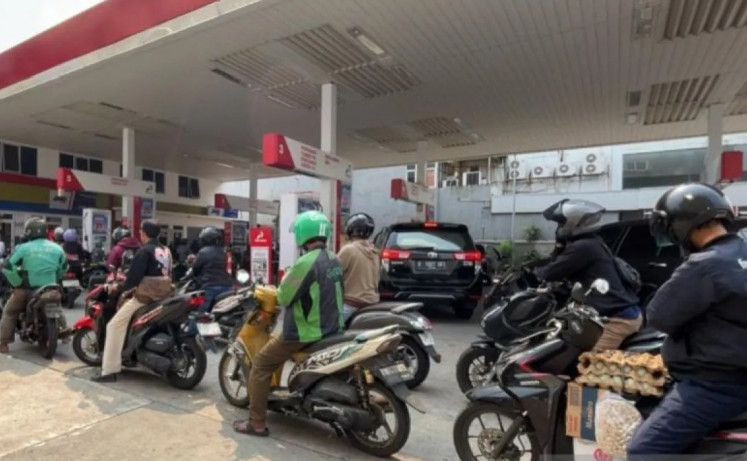
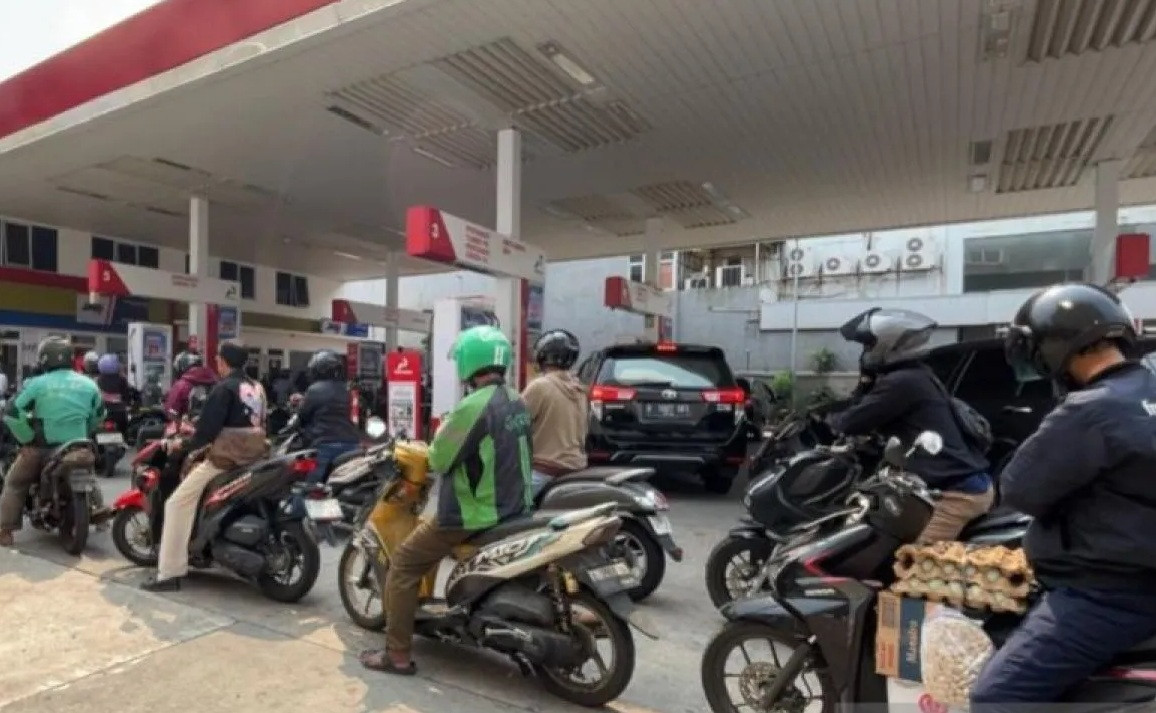 Motorists line up at a gas station on Jl. Radio Dalam in South Jakarta on June 10, 2026, when the government hiked the price of nonsubsidized Pertamax gasoline 32 percent to Rp 16,250 per liter amid the rupiah depreciation against the United States dollar. (Antara/Luthfia Miranda Putri)
H
istory shows that many modern energy crises do not begin with a shortage of physical resources but rather emerge from foreign exchange volatility. When a country loses its capacity to pay for energy imports, electricity supplies, fuel distribution and broader economic activity can all collapse simultaneously.
The recent experiences of Pakistan and Sri Lanka offer stark lessons on the tight binding between currency stability and energy security: Severe currency depreciation, surging global commodity prices and depleted foreign exchange reserves placed both nations under immense pressure.
While Indonesia does not currently face a crisis of that magnitude, the strengthening United States dollar against the rupiah serves as a potent reminder that energy security ultimately rests on macroeconomic resilience.
As the rupiah tests new psychological thresholds against the greenback, public attention has naturally locked onto financial markets. Yet for the energy sector, exchange rate depreciation carries far deeper structural implications. Every tick downward raises the cost of energy imports, intensifies pressure on public finances and heightens risks to the sustainability of long-term energy investments.
Energy security has been traditionally measured by the physical availability of resources. Contemporary scholarship, however, increasingly emphasizes affordability, systemic resilience and the capacity of energy networks to withstand external shocks. A country may boast abundant domestic resources but remain highly vulnerable if its financial architecture is deeply exposed to fluctuations in global markets, exchange rates and geopolitical tensions.
In Indonesia’s energy ecosystem, the US dollar functions as a primary structural variable. It dictates the cost of crude oil procurement, fuel imports, supplies of liquefied petroleum gas (LPG) and infrastructure financing, directly impacting the balance sheets of state-owned enterprises. Consequently, exchange rate volatility serves as a direct test of national energy security.

For state oil and gas company Pertamina, a stronger dollar combined with elevated global oil prices creates a double burden. Because Indonesia relies heavily on imported crude oil and LPG, a weaker rupiah immediately inflates foreign exchange requirements, making domestic energy provision progressively more expensive.