TheJakartaPost
Please Update your browser
Your browser is out of date, and may not be compatible with our website. A list of the most popular web browsers can be found below.
Just click on the icons to get to the download page.


Popular Reads
Top Results
No results found. Please check your search term and try again
Can't find what you're looking for?
View all search results
Popular Reads
Top Results
No results found. Please check your search term and try again
Can't find what you're looking for?
View all search resultsGovernment targets full Sumatra recovery by 2028
Change text size
Gift Premium Articles
to Anyone
Share the best of The Jakarta Post with friends, family, or colleagues. As a subscriber, you can gift 3 to 5 articles each month that anyone can read—no subscription needed!
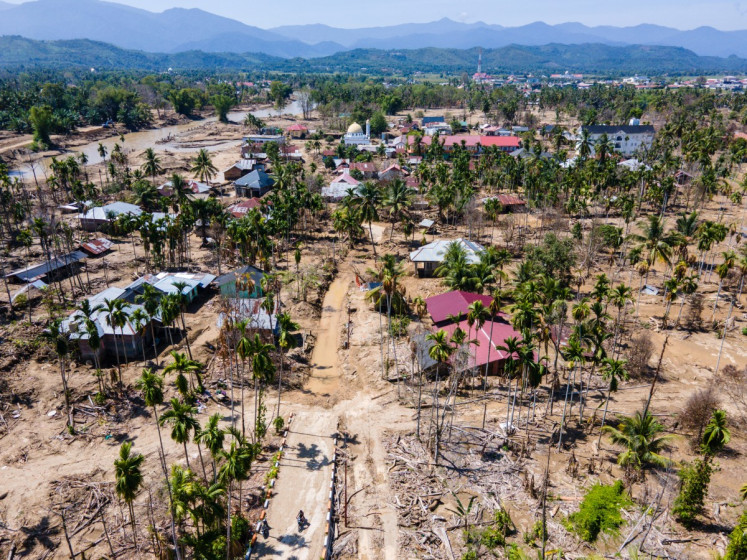
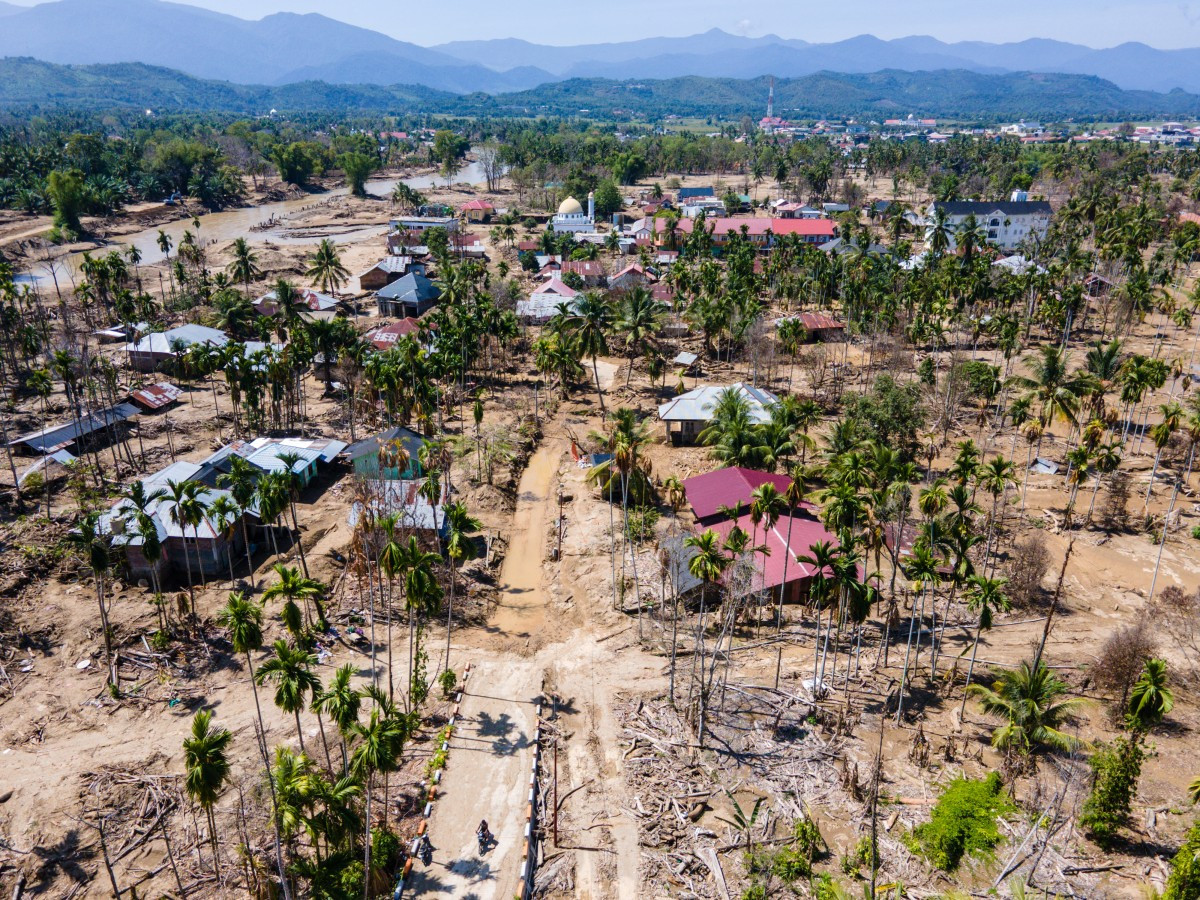 An aerial view shows flood damage to a residential area in Meurah Dua, Pidie Jaya regency, Aceh on Feb. 22, 2026, after devastating cyclone-induced floods and landslides struck northern Sumatra in November 2025. In hardest-hit Aceh, which accounted for most of the more than 1,000 deaths, families have become increasingly frustrated over authorities' sluggish response. (AFP/Chaideer Mahyuddin)
T
he government is aiming to complete the final phase of recovery efforts in disaster-hit areas of northern Sumatra within the next three years, allocating more than US$5 billion for infrastructure-focused rehabilitation and reconstruction programs.
Home Minister Tito Karnavian, who leads a task force established to accelerate the post-disaster recovery, said the government was now entering the rehabilitation and reconstruction stage following the massive floods and landslides triggered by Cyclone Senyar that struck Aceh, North Sumatra and West Sumatra last November.
“We are now entering the phase toward permanent recovery. We call it rehabilitation and reconstruction, and the key is a master plan, which will compile input from all affected regencies, municipalities, provinces, as well as ministries and agencies,” he said during a televised briefing at the Senayan Legislative Complex in Central Jakarta on Monday.
The stage marks the final phase of post-disaster recovery efforts following the emergency response period that has been underway since last year.
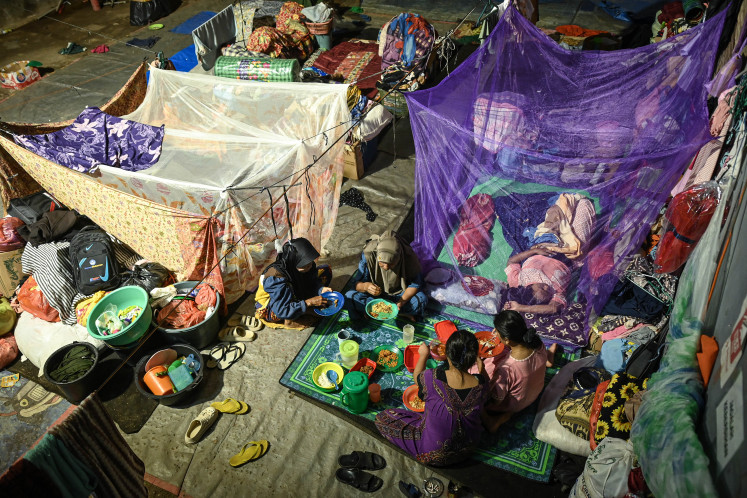
The three-year plan, targeted for completion by 2028, will cover 11,512 infrastructure projects, including the construction of roads, bridges, schools and permanent housing.

Tito said the proposed Rp 100.16 trillion ($5.63 billion) budget allocation had been approved by the government and received support from the House of Representatives.
Six months after the disaster, access had largely been restored across the three affected provinces, the minister added.
However, several villages remain isolated due to damaged roads and bridges that have yet to be rebuilt, while around 1,000 of the 4,900 damaged school buildings still await reconstruction.